
Buy Peyote Cactus Online – (Lophophora Williamsii)
The peyote cactus, also known as Lophophora williamsii, is a small, spineless cactus native to the deserts of Mexico and the southwestern United States. Revered for its psychoactive properties, peyote has been used for thousands of years in spiritual and medicinal practices by indigenous peoples. Today, it holds a unique position in cultural, scientific, and legal discussions, blending its historical significance with modern debates about its role in healing, spirituality, and conservation.
Peyote is not just a plant; it holds deep cultural and spiritual significance for many indigenous peoples. It has been used in ceremonies for healing, prayer, and connection with the divine. In modern contexts, it is also a subject of scientific interest for its potential therapeutic applications. Peyote is sacred to indigenous communities. Purchasing or using peyote outside of its traditional context can be seen as cultural appropriation. Respect the plant’s cultural and spiritual significance.
What is Peyote?
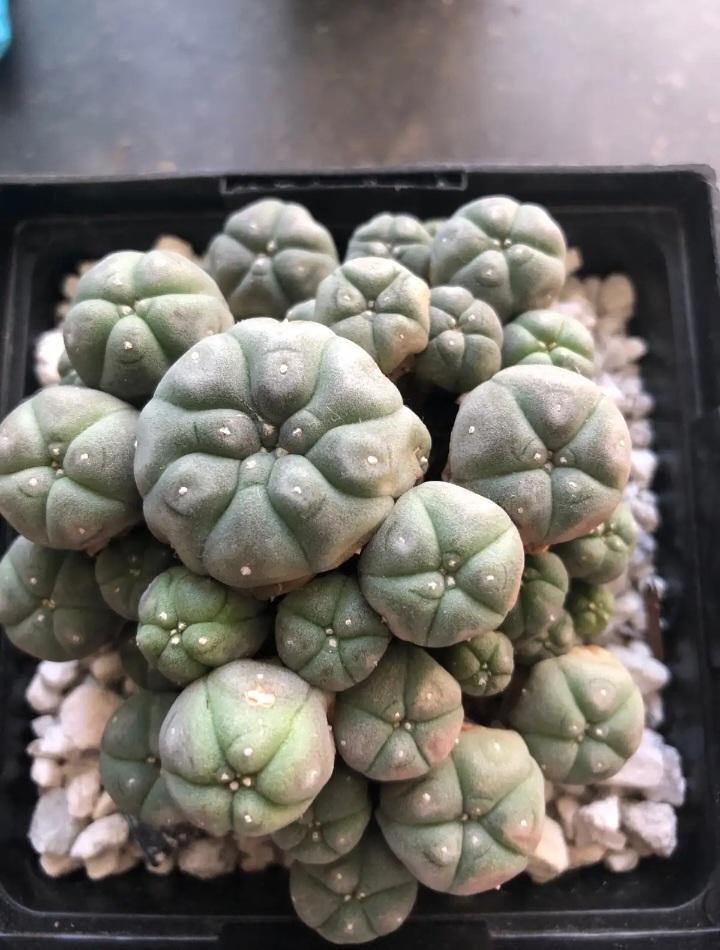
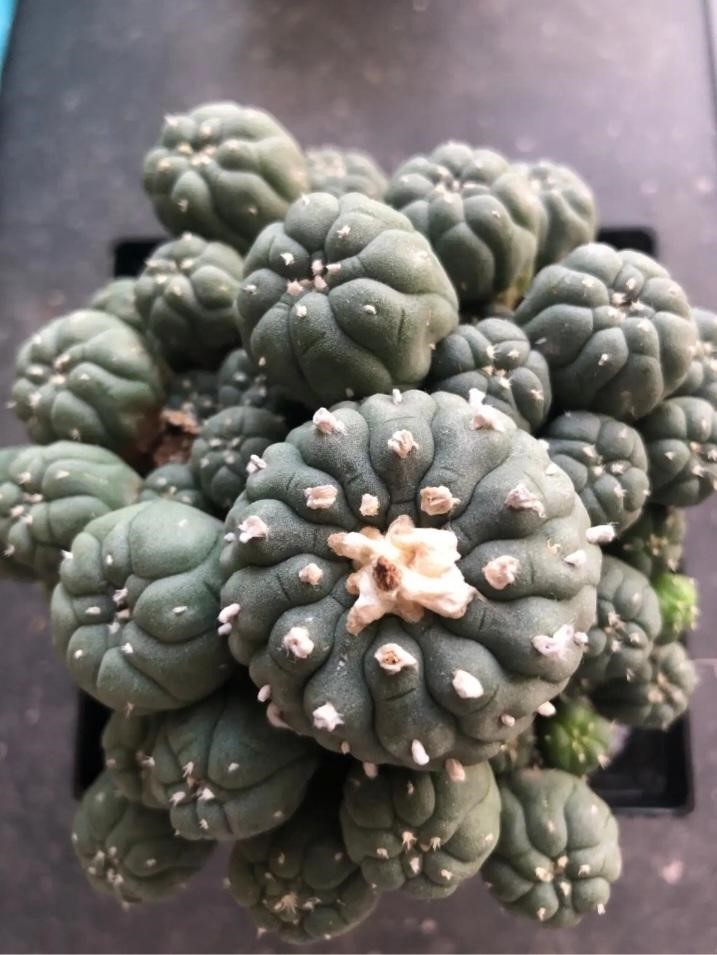
With its bluish-green color, button-shaped stem, and lack of spines, peyote is an easy-to-identify, low-growing plant. Usually, the cactus doesn’t grow more than 2–6 cm tall and 4–11 cm wide. The animal’s body is flattened into the shape of a globe, and each of its five to thirteen ribs has a small opening in the middle and soft, white hairs on them. Although it may appear unremarkable, peyote has a rich history. Native Americans, for instance, use the drug’s psychoactive compound mescaline in rituals.
Peyote as a Caudiciform Plant
On MembersOnlyShop.com, we specialize in caudiciforms—plants with swollen bases or stems (caudices) used for water storage and survival in drought-prone regions. While peyote isn’t traditionally classified with large caudiciforms like Adenium or Pachypodium, it shares key traits:
-
A compact, thickened stem adapted to conserve moisture
-
Slow, steady growth over years or decades
-
A root system that expands like a subterranean caudex
This makes peyote (Lophophora williamsii) a perfect inclusion in any caudiciform-focused collection or display garden.
Where To Buy Peyote Cactus Online
At Magicmushroomsdispensaryshop.com, we celebrate nature’s most intriguing and resilient plant forms—caudiciforms. Among the rarest and most iconic is peyote (Lophophora williamsii), a small, spineless cactus with immense historical, botanical, and horticultural value. With its distinctive button shape, slow growth, and cultural heritage stretching back millennia, peyote is not just a plant—it’s a living story.
Whether you’re a passionate collector of rare caudiciforms or a botanical enthusiast drawn to sacred desert flora, Lophophora williamsii represents one of the most captivating species in the world of succulents.
Why Buy Peyote Seeds from Us?
We take extreme care and kindness when growing mescaline plants at Members Only Shop. We grow our peyote plants in a way that understands their biological needs and respects their cultural past. Choose us because of these reasons:
- We grow our peyote plants from seeds in controlled settings, according to reliable sources.
- Health and Viability: Each cactus is picked by hand based on its size, health, and growth rate.
- Focused on Education: We encourage appropriate use and show buyers how to grow plants correctly. If you’re a beginner, our Peyote Cactus for Sale or Peyote Cactus Seedlings are excellent options.
Botanical Features & Cultural Significance
Peyote is classified by scientists as a member of the Cactaceae family and possesses the following key biological characteristics:
- Growing form: small, round cactus without spines
- Bright bluish-green, with soft hairs sticking out of the areoles
- Size: from 4 to 11 cm wide and 2 to 6 cm high
- On the border between Texas and Mexico, it lives in dry places in the southwest.
- Cold Hardiness: Frost defense when fully grown.
The Navajo and the Huichol have used the cactus in religious rites for many hundreds of years. The powerful hallucinogen mescaline is important in religious and magical ceremonies.
Natural Habitat of Lophophora williamsii
In the wild, peyote grows in:
-
Rocky limestone soils
-
Open scrublands and desert flats
-
Shaded spots beneath shrubs or rocks
The plant is incredibly slow-growing, often taking 10–15 years to flower in the wild, with some individuals living up to 30–40 years. Its success is rooted in its adaptation to extreme heat, intense sun, and minimal rainfall.
Peyote vs. Other Lophophora Species
While Lophophora williamsii is the most well-known, there are other species and subspecies worth noting:
| Species | Notable Traits |
|---|---|
| L. diffusa | Paler green, softer ribs, faster growth |
| L. fricii | Larger flowers, more pronounced ribs |
| L. decipiens | Unique rib structure |
All share a similar compact, caudiciform form—making them suitable companions in a well-rounded cactus collection.


Reviews
There are no reviews yet.